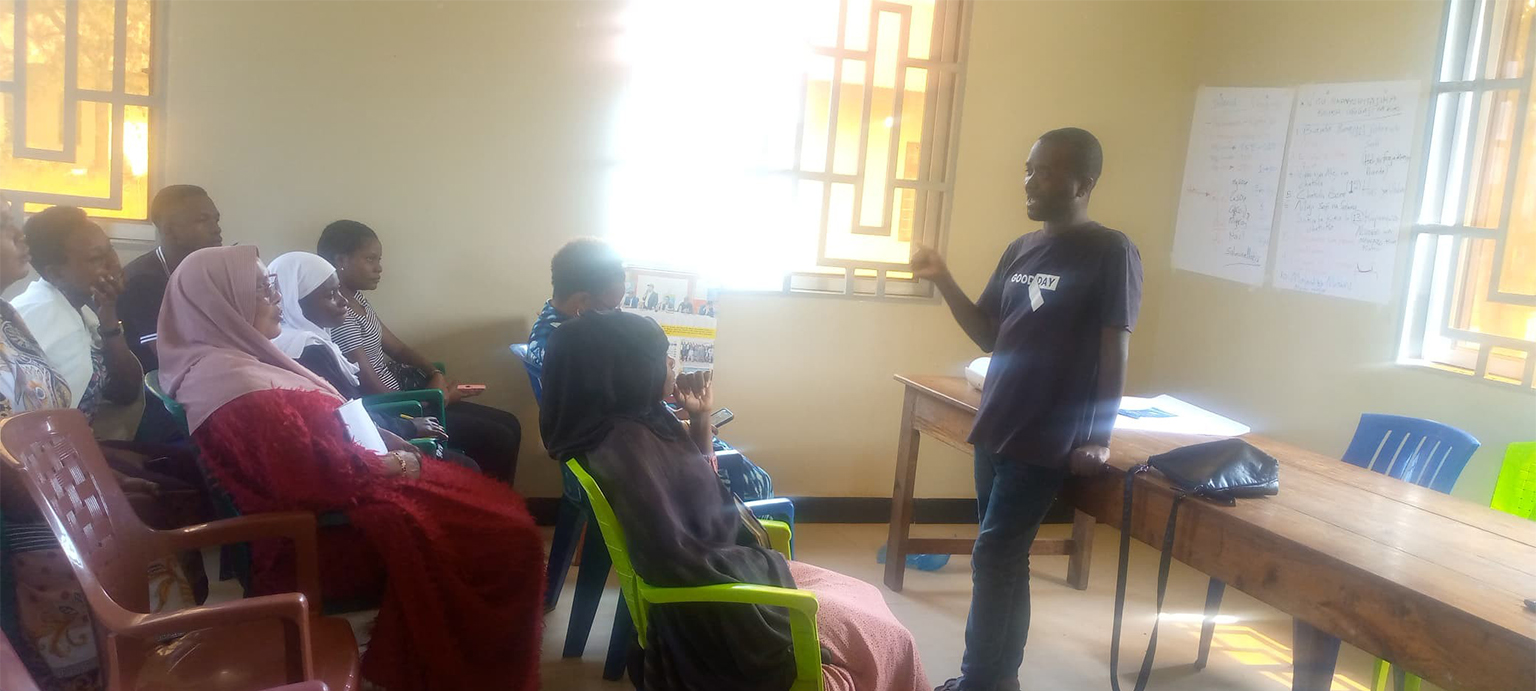
Capacity building, Knowledge transfer, and application
SAPTA provides Capacity building in agriculture that enhances farmers' skills, knowledge, and resources, fostering the application of sustainable practices and improving overall agricultural productivity. SAPTA uses this principle of knowledge gain: CAPACITY BUILDING and PARTNERSHIP BUILDING POWER
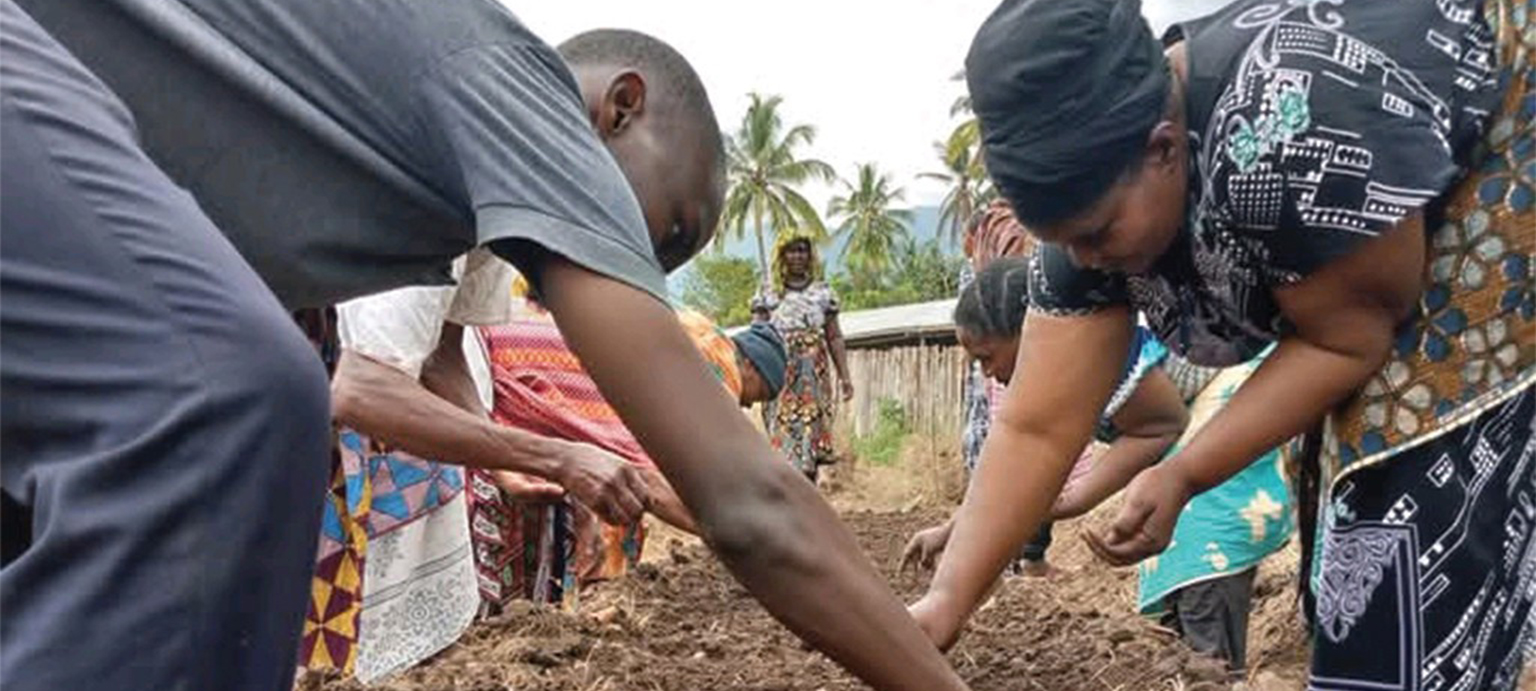
Farmer-Specialists Linkage and Farmer-Market Linkage
SAPTA provides Capacity building in agriculture that enhances farmers' skills, knowledge, and resources, fostering the application of sustainable practices and improving overall agricultural productivity. SAPTA uses this principle of knowledge gain: CAPACITY BUILDING and PARTNERSHIP BUILDING POWER
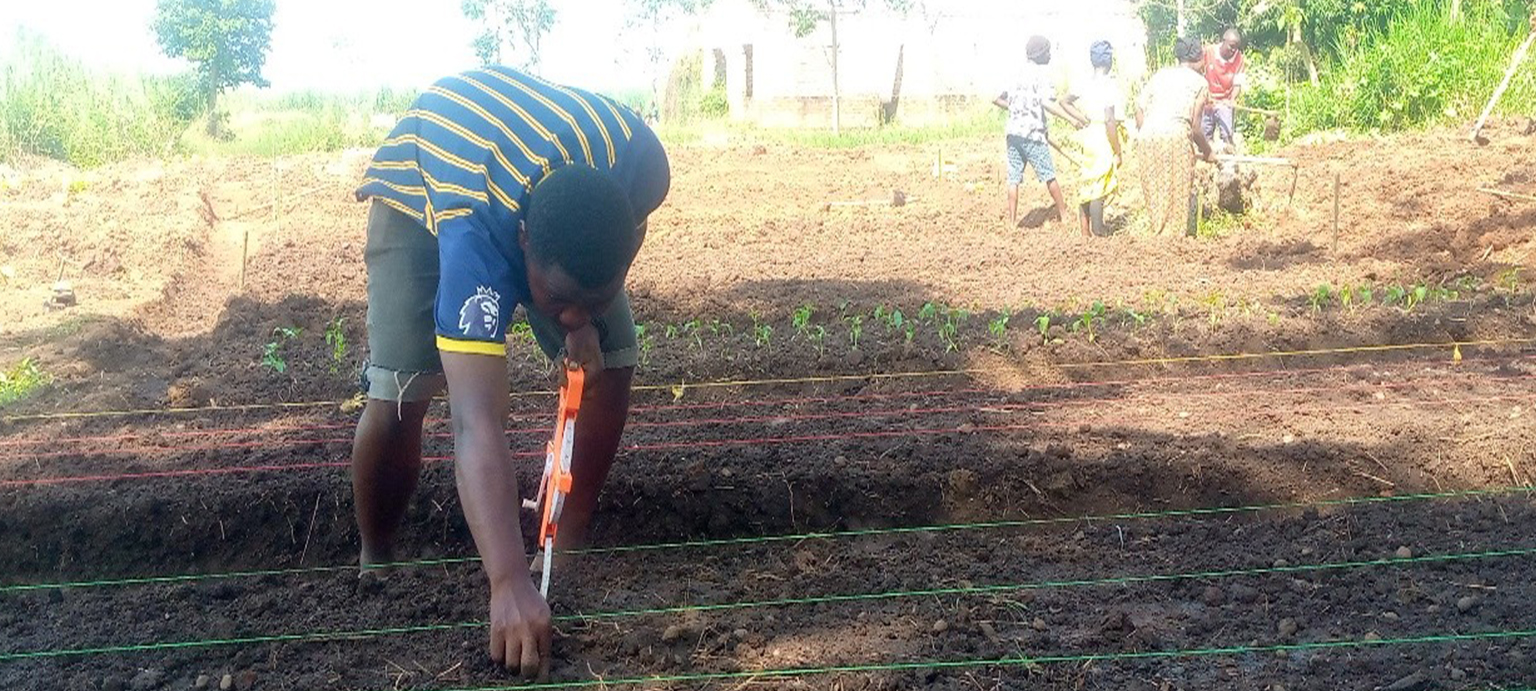
Farm and responsible livestock systems designs
Develop and design various sustainable farms and responsible livestock systems that provide proper housing, welfare-friendly management, local feeds, clean water, manure recycling, disease prevention, and integration with crops, trees, and soil conservation to improve productivity and climate resilience.

Networking and Collaboration
SAPTA fosters collaboration and networking among NGOs, CBOs, CSOs, media, and other stakeholders to promote sustainable development. These partnerships create synergies, enhance innovation, and connect service providers with communities, enabling multi-level understanding of issues from local to regional perspectives for effective, collective action
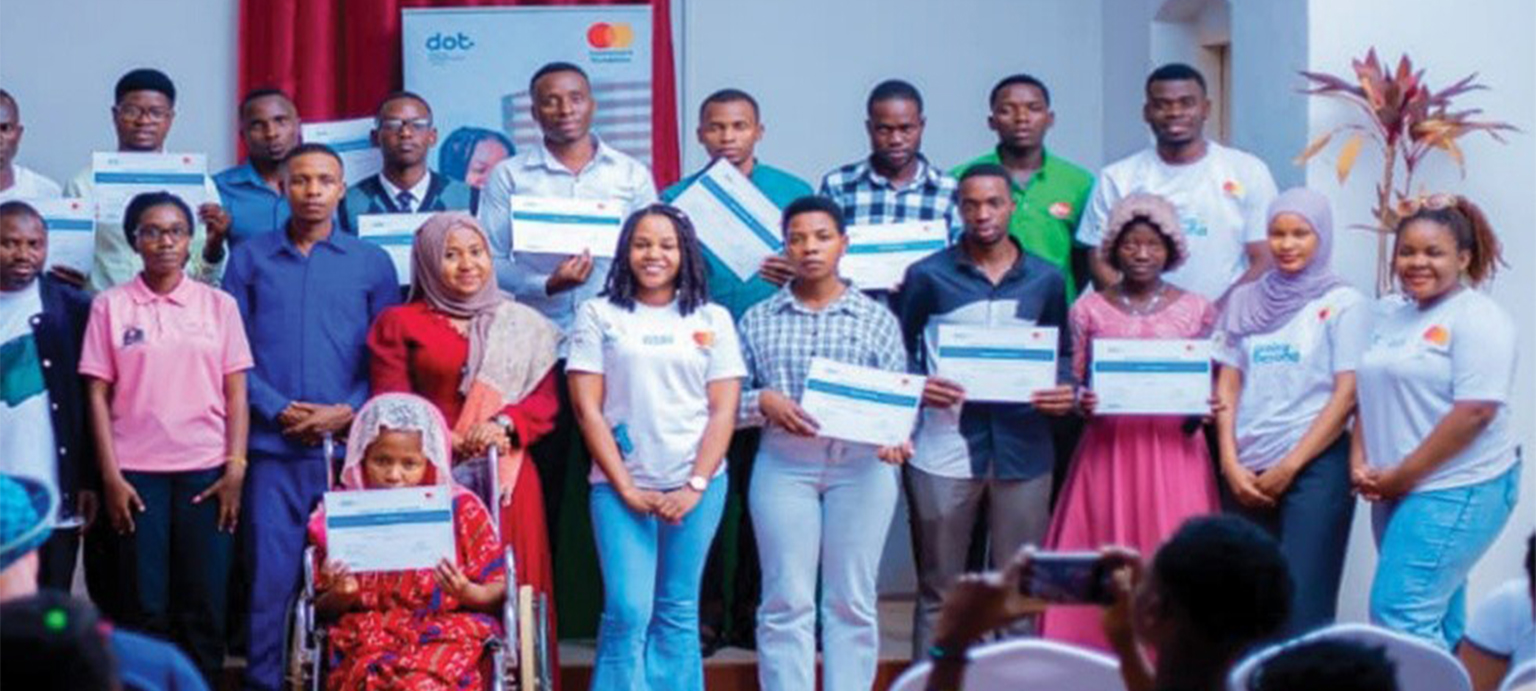
Graduation Model Approach
SAPTA uses the Graduation Model Approach as the beacon of hope and empowerment. Through a holistic framework encompassing financial aid, skills training, and social assistance, it equips smallholder farmers, Women and youths with tools to escape poverty, fostering sustainable self-reliance and dignity, embodying the belief in every individual's potential for success.
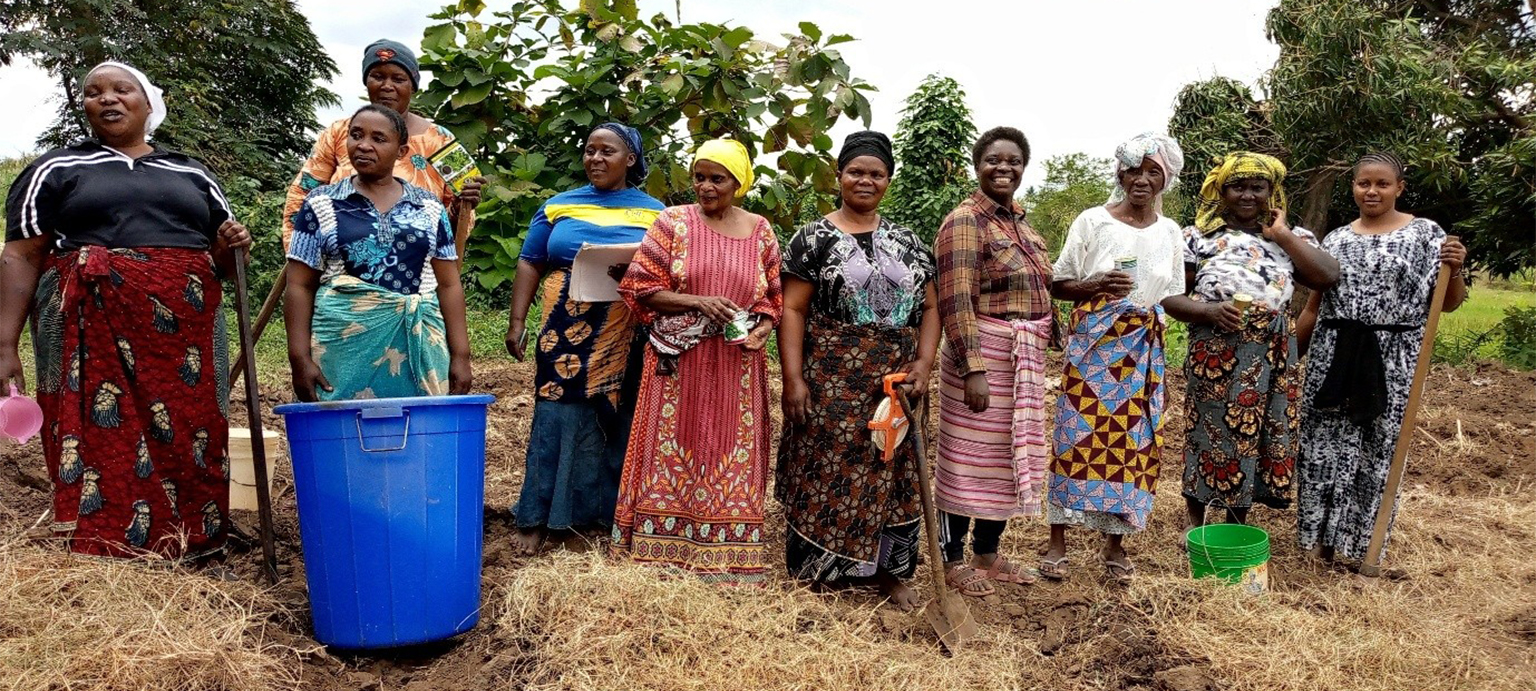
Women and youth empowerment
SAPTA empowers women and youth by promoting leadership, strengthening community groups, and enhancing engagement with government for social, economic, and political rights. It supports income generation through capacity building, microcredit, and skill development within local women’s groups.
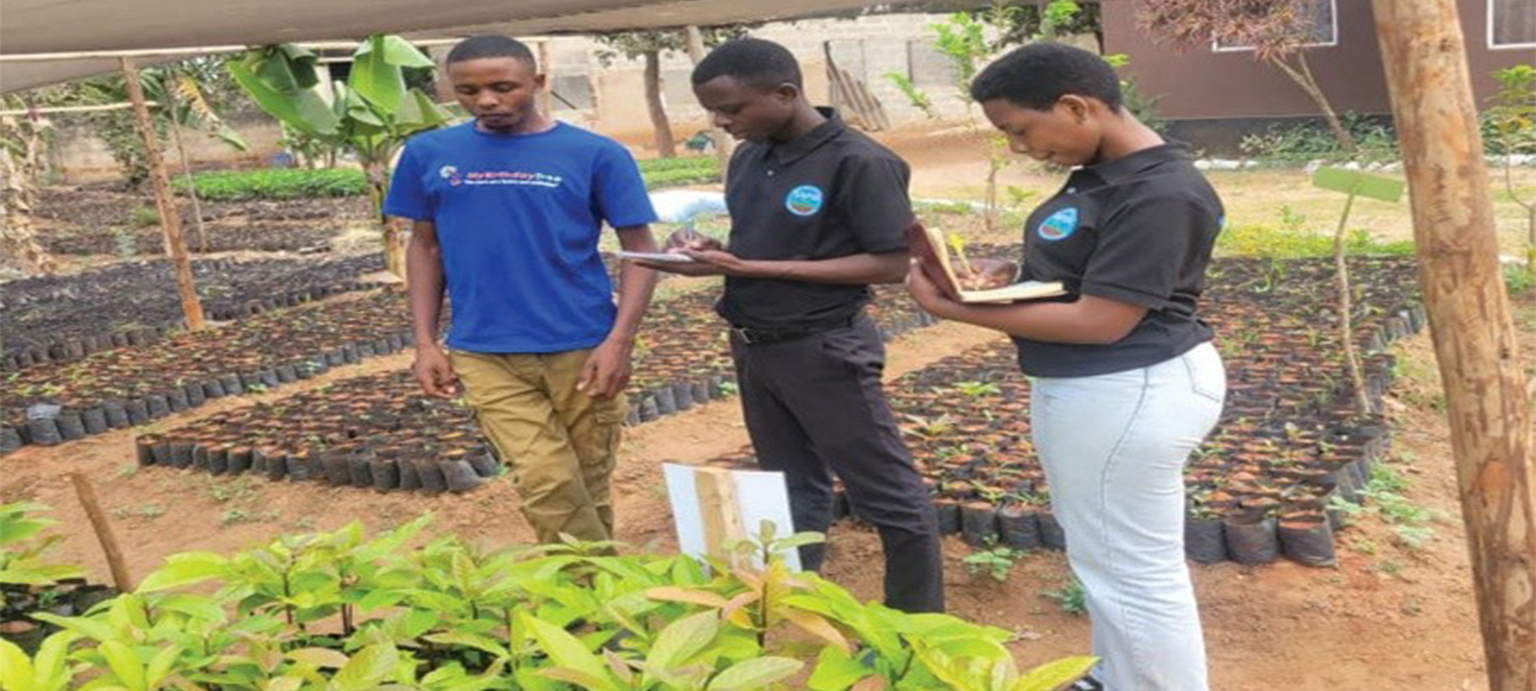
Applied research and innovation
SAPTA drives advancements, and transformative solutions, leading to practical solutions that address agricultural challenges and enhance productivity, resilience, and sustainability in farming practices for global food systems through Applied research and innovation in agriculture.